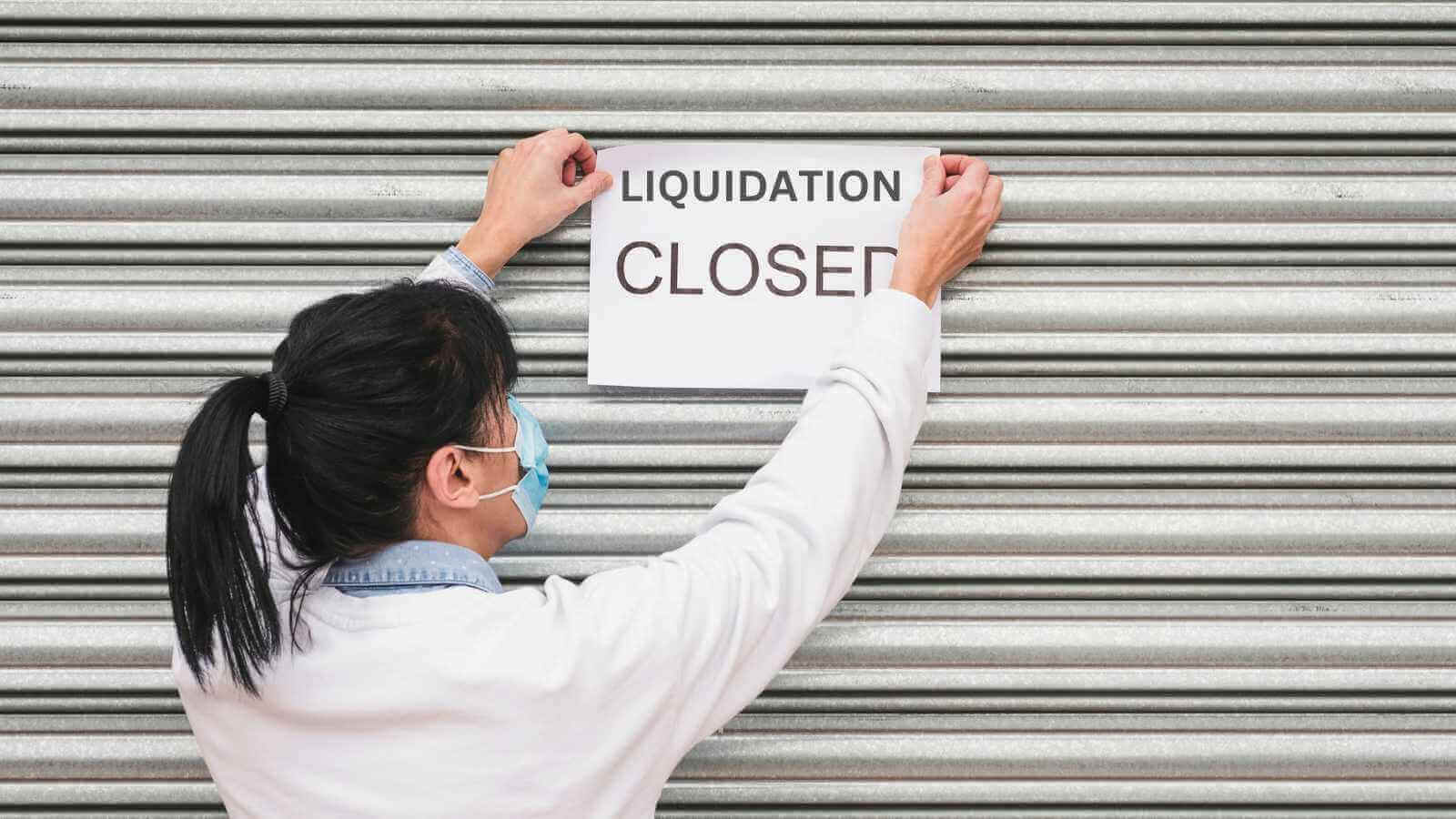
The answer to the question Do I Need To Liquidate My Company With Debts? will depend on whether the company can continue to trade and if it has assets.
If a company has debts that it cannot pay then it is insolvent. An insolvent company should not trade if it cannot realistically avoid liquidation. The directors when a company is insolvent owe a duty to creditors. This is known as the Creditor Duty and it means that the interests of creditors need to be taken into account. As a result, the company cannot be run only with the interests of the shareholders in mind. It often should therefore be liquidated to ensure the rules are properly complied with.
If an insolvent company has assets but cannot continue to trade then they need to be realised and after the costs of realisation they need to be distributed to creditors. How they are distributed to creditors needs consideration of the insolvency legislation and that is why liquidation is helpful.
What Happens If I Do Not Liquidate A Company With Debts?
It is important to understand that liquidation is a process that ensures core principles of how an insolvent company’s assets need to be applied and trading actvities should be undertaken. These concepts are those such as the pari passu principle, the anti-deprivation principle and the Creditor Duty.
A company director who continues to trade on when they should not do so risks not only going into liquidation but also being accused of wrongful trading which carries with it personal liability for the debts incurred during the period of wrongful trading.
In addition, how a director handles the company’s assets when it is insolvent if fundamental. The company’s money could be applied inconsistently with the insolvency regime even if it is paid to a third party as you cannot pick and choose which creditors to pay when going into liquidation. The result can lead to antecedent transactions which may later be reversed by a liquidator. So it is usually better to leave to liquidate and leave it to a liquidator.
Creditors Voluntary Liquidation Procedure
Liquidation through the procedure known as Creditors Voluntary Liquidation is the most common way to winding up a company with debts. It enables an orderly process whereby the company’s affairs are concluded. The directors appoint an Insolvency Practitioner to place the company into liquidation and they will then usually be appointed as the Liquidator.
Rescuing A Company With Debts
If the company cannot be rescued as a trading business then in most cases neither a Company Voluntary Liquidation or Administration will be of assistance. It will however depend on the facts of the case.
Liquidate By Compulsory Liquidation
A company with debts can be dissolved but commonly a creditor will object and it will then be more suitable for it to go into liquidation. If a director still does not put the company into voluntary liquidation then it is open to a creditor to force the company into Compulsory Liquidation for the process and an investigation into the directors’ conduct to be handled by a government civil servant known as the Official Receiver who works for the Insolvency Service.