What Happens if You Default on a Bounce Back Loan?
What Happens if You Default on a Bounce Back Loan? A default on a Bounce Back Loan will have consequences for the company that has not made payments as they fall due.
However, for the director personally the default itself will not usually result in consequences provided both the application for the loan was done correctly and it was used properly for the company, not for the director’s personal benefit.
What Does Bounce Back Loan Default Mean?
Bounce Back Loan default arises when repayment of the loan is not made in accordance with the terms agreed with the lender.
Under the terms of a Bounce Back Loan support scheme, the interest rate was 2.5% per year. Interest was not payable until after the first 12 months. There were also no repayments required of the loan until after the first 12 months.
Businesses were entitled to make early repayments without incurring any penalty. Bounce Back Loan default arises when businesses fail to make the payments required when they fall due. Borrowers who have defaulted on the payment of interest or loan repayments typically have to deal with a lender’s debt collection processes. Many lenders however have agreed to generous payment terms.
Will The Lender Get In Touch If I Default On A Bounce Back Loan?
Yes, if you default on a Bounce Back Loan a lender will usually notify you of the position. You can anticipate receiving communications outlining the position with details of any additional fees and interest that may arise.
Whilst a lender will typically demonstrate forbearance and look to work with the borrower it should not be taken for granted. It is important to communicate with the lender and explain why the default has arisen and what is being done to address the matter.
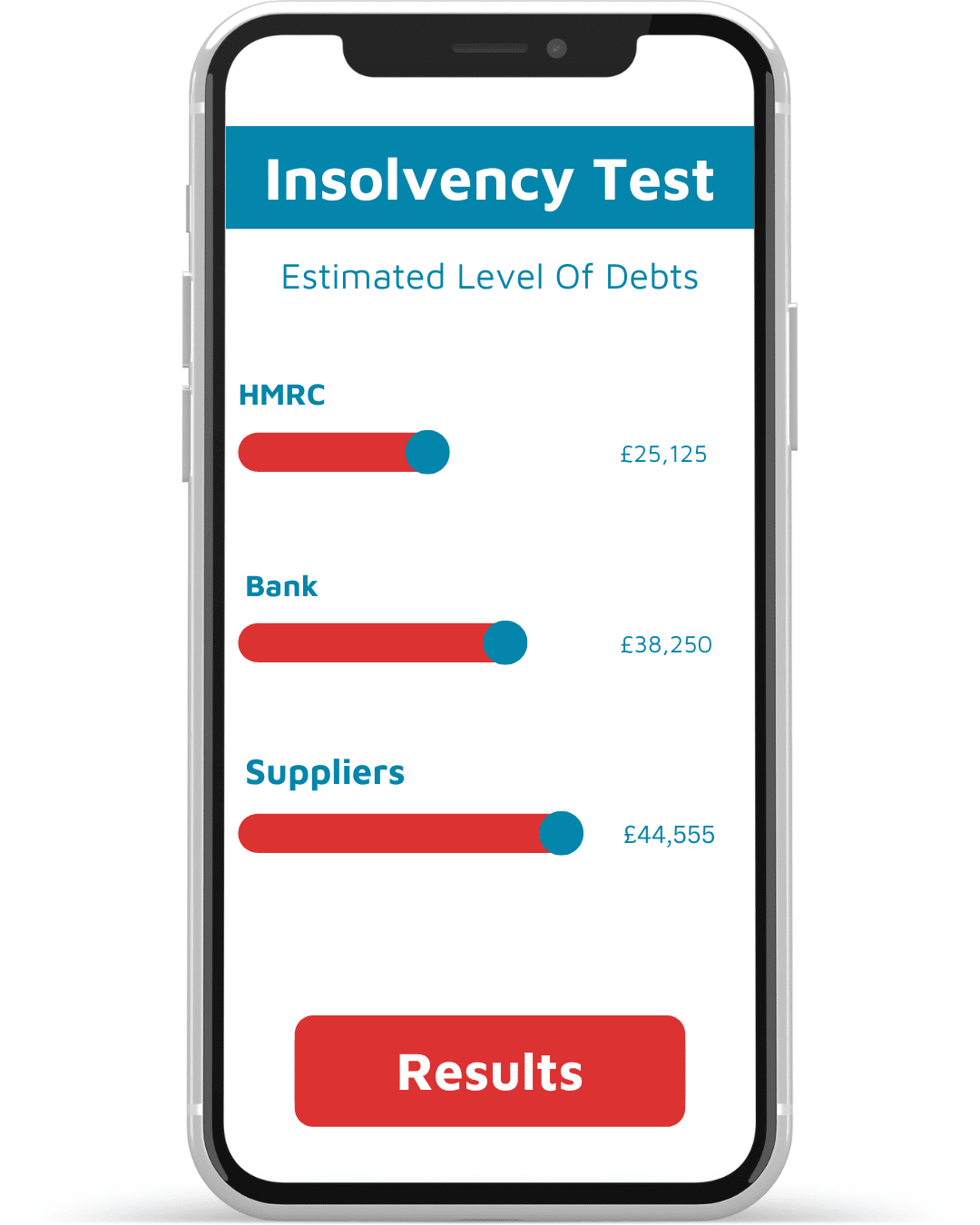
Defaulting on a Bounce Back Loan does demonstrate an inability to pay debts when they fall due and is a clear sign of a company’s financial weakness and insolvent position.
What Happens If My Business Defaults On A Bounce Back Loan?
If your business defaults on a Bounce Back Loan and is unable to make the payments arising under it then it is a problem that must not be ignored.
Besides notice from the lender of the default by a formal letter and debt collection procedures backed potentially by the threat of legal proceedings, the company’s credit score will be affected adversely. This can make it more difficult to obtain finance in the future.
Bounce Back Loan Default May Trigger Lender Review
Defaulting on a Bounce Back Loan may trigger a review by the lender of the facility provided. Bounce Back Loans have been the notable subject of much fraud when businesses applying exaggerated their turnover or misused the loan for purposes other than the economic benefit of the business.
For most businesses, the lender will be the company’s main bankers so they will get a good indication of the business turnover and if any Bounce Back Loan funds were immediately extracted by the directors personally.
This may mean a default could open directors to greater risk of being investigated by the lender. When fraud is suspected a lender could demand immediate repayment of the loan and could see a director asked to contribute personally to any shortfall in certain circumstances.
Ultimately if a business defaults on the Bounce Back Loan because it has company cash flow problems too severe to be overcome it may need to close and go into liquidation.
Effect Of Default On A Bounce Back Loan As Sole Trader?
Defaulting on a Bounce Back Loan as a sole trader is serious because, unlike a limited liability company, you would not have protection against personal liability.
A sole trader who defaults is personally responsible for payments to the lender. Once a default has arisen interest and charges can be added to the loan. Any default will mean the sole trader borrower would personally receive the debt collection and enforcement notices from the lender, not a limited company.
If the matter escalates and legal action follows, then personal liability can arise from Bounce Back Loan default which could culminate in the sole trader’s bankruptcy. This can mean the personal assets of the individual are at risk. The overall impact of increased indebtedness could have a knock-on effect if other creditors are not paid then a person’s house could indirectly be placed in jeopardy even though the Bounce Back Loan lender is not permitted to enforce its debt against the home.
How To Close A Limited Company After Defaulting On The Bounce Back Loan?
Even after rescue procedures have been attempted and the Bounce Back Loan used a company may still not have a viable business to continue to trade. In such a case serious consideration is required to stop trading the limited company and close the company to avoid incurring further losses which could place the director(s) at risk of suggestions of wrongful trading.
Creditors Voluntary Liquidation
A very effective approach for a responsible director to take is to put the company into Creditors Voluntary Liquidation through the instruction of an Insolvency Practitioner who can then in most cases be appointed as the Liquidator to wind up the company prior to it being dissolved at Companies House. It is a formal legal process permitted under the Insolvency Act 1986.
The Liquidator’s role is to realise the assets, agree on the claims of creditors and if sufficient funds are available after costs of liquidation, to distribute any surplus to the creditors. The Bounce Back Loan lender is simply just another unsecured creditor of the company who may rank for a dividend.
It is important for directors to fully cooperate and assist the liquidator because liquidation is not a mere matter of handing over the keys and going on your merry way.
Effect Of Liquidation On A Defaulting Company Director
The effect of liquidation is a serious matter not just for the company but also for the directors. In any insolvent company liquidation, the liquidator will have a duty to report to the Insolvency Service on the conduct of the directors. It is in their interests to fully and proactively be of assistance to the liquidator.
Directors who it appears have not conducted themselves properly could be at personal risk in respect of a breach of duty concerning transactions that are not in the best interests of the company or from trading on when the company could not hope to avoid insolvent liquidation (wrongful trading). They could also be at risk of director’s disqualification if the Insolvency Service considered their conduct in running the company unfit after conducting Bounce Back Loan investigations by the Insolvency Service.
Bounce Back Loan default often triggers the need for a director to consider liquidation and company closure. Whilst insolvency that leads to liquidation may spark risks for a director as outlined above, it is important to recognise that investigations highlighting existing director misconduct concern matters which have already happened. Whereas the problem of trading on and that of wrongful trading (perhaps to avoid scrutiny from a Bounce Back Loan default) may make matters even worse.
It is important to take independent professional advice at the earliest stage so that you can consider your position personally.
How To Avoid Defaulting On A Bounce Back Loan And Options For Companies
If a company defaults on its Bounce Back Loan obligations all is not lost.
Communication With The Bounce Back Loan Lender
Many of these options are consistent with a company’s default to any creditor but given the unique nature of the Bounce Back Loan scheme, it may be possible to obtain additional forbearance from the lender.
The first thing to do is discuss matters with the lender to explain the company’s financial position and see if an agreement can be reached as to a viable way forward after providing financial information about the company.
It may be possible to renegotiate the repayment terms applicable to the Bounce Back Loan by spreading the term over a longer period.
Pay As You Grow Scheme
A scheme known as pay as you grow permitted an extension of the repayment terms from the original 6 year period to 10 years at the same interest rate of 2.5%. However, if you are in communication with your lender you may be able to negotiate even more favourable terms over longer periods and better rates of interest.
The old adage if you don’t ask you don’t get may have some relevance but there can be no guarantees here with such theoretical concepts. Many lenders may be practical in recognising that if they work with a company they may still have a client borrower to do business with once the Bounce Back Loan default has been overcome with the loan repaid.
Using Insolvency Rescue Procedures
It might also be the case that the company’s circumstances are such that insolvency proceedings may have to be considered but liquidation may not be the only solution available. If the company has a profitable core business insolvency rescue procedures such as Administration and or a Company Voluntary Arrangement might be capable of being deployed to get the business back on track. Getting advice from an Insolvency Practitioner may be critical to guiding a company to a healthier place and assisting with its survival.
Is A Director Personally Liable If A Company Defaults On A Bounce Back Loan?
A company director is not personally liable for a Bounce Back Loan default. That is the general position and it was not permitted for a lender to obtain a personal guarantee as a condition for lending the money to the borrower.
However, that does not mean a director can never be personally liable for a Bounce Back Loan. When a loan was applied for improperly such as if company turnover was exaggerated on the application form or more than one Bounce Back Loan (per company) was sought, such conduct may amount to fraud. Cases of fraud may well put a director at risk of being personally liable for a Bounce Back Loan.
In addition, fraud could also arise not only due to the application for the Bounce Back Loan but the way in which it was used. A director who uses up the Bounce Back Loan funds personally instead of for the economic benefit of the company may be at added personal risk.
GET IN TOUCH FOR HELP
For a free no obligation chat about any of the matters detailed above, please do get in touch for help. An expert will call you back or if you prefer exchange emails.
We can explore your situation and consider the best way to help you and your business needs. You can call us 020 3925 3613 or fill in the form below and will get back to you quickly. We Know Insolvency Inside Out.