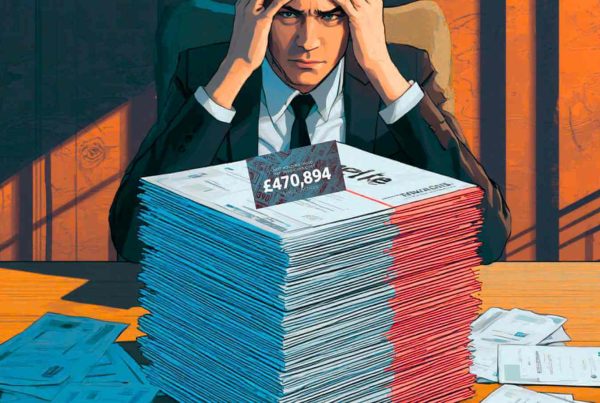
The answer to the question are directors personally liable for HMRC tax debts is no, they are not. That said there is never an instance when it can be said a UK company director could never be personally liable for HMRC debts of a limited company but it is the exception, not the rule.
HMRC tax debts levied on a company are the responsibility of the company, not the director personally. It is the director’s duty whilst acting in the best interests of the company to ensure it pays its HMRC taxes. Nevertheless, the liability is the company’s as with any other company debts.
Impact Of A Company’s Insolvency
When a company is trading successfully HMRC will generally be paid the taxes it is due and therefore a director’s personal liability would not typically arise an issue at all.
However, when a company is insolvent and in particular if it goes into liquidation, then HMRC will go unpaid and it is in that situation that the risk of a director’s personal liability could arise. It is still a relatively rare event.
Why Are Directors Not Usually Personally Liable For HMRC Tax Debts?
The reason directors are not personally liable for HMRC tax debts is because of the limited liability of a company.
UK company law separates the company from its directors. The directors run the company and whilst they may also own the company, they are not the company itself. They are the company’s personality as without individuals to operate it a company cannot function.
As a company is a separate legal person from the directors, HMRC taxes and other debts except when they are expressly personally guaranteed by directors, will be the exclusive responsibility of the company.
When Can HMRC Tax Debts Become A Director’s Personal Responsibility?
UK company law generously will enable a director to run a limited company and provided they comply with their directors’ duties there should be no question of any personal liability arising.
However, when a director abuses this position and breaches their duty through conduct consistent with fraud, the law can remove the limited liability protection provided. This can apply to a director not merely of HMRC debts but conceivably to other debts that have been run up through dishonest conduct.
Personal Liability Notice
The normal position can change but this is usually limited to situations in which a director has been negligent or dishonest. HMRC can issue an HMRC Personal Liability Notice on the director personally for certain types of company tax debts. These will more typically be limited to taxes the company has to collect for HMRC (such as VAT, National Insurance Contributions and PAYE) as opposed to taxes charged on the company itself like corporation tax.
A Personal Liability Notice (“PLN”) generally will be confined to National Insurance Contributions under Section 121C of the Social Security Administration Act 1992. Where VAT is concerned this usually applies to VAT penalties and the PLN can be levied on the director under paragraph 22 of Schedule 41 of the Finance Act 2008.
Joint Liability Notice
A Joint Liability Notice can be issued by HMRC under Section 100 of the Finance Act 2020 and Schedule 13 of the Finance Act 2020 in cases when a director has abused the tax system, resulting in joint and several liability for the director personally with the company for HMRC taxes.
The types of conduct that lead to a Joint Liability Notice will involve cases of:
- tax evasion or tax avoidance
- repeated insolvency
- facilitation of tax evasion or tax avoidance