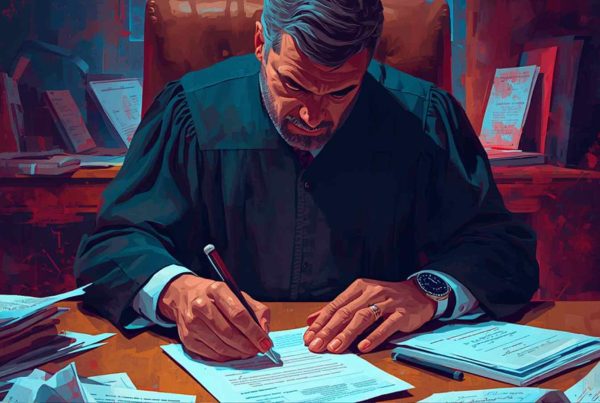
Can I Close My Company By Transferring Its Funds To Another Company And Leave The Debts Behind?
The answer to the question Can I Close My Company By Transferring Funds To Another Company And Leave The Debts Behind? is not you cannot. This is an absolute non-starter.
To pick this question apart, it highlights a fundamental breach of directors’ duties.
At the heart of this question is the potential conflating of company money with an owner manager’s own personal money. Many owner managers may overlook the point that a limited liability company is a separate legal person from its owners and directors.
Who Do The Company Funds Belong To?
The company’s funds belong to the company not to the directors or the shareholders.
As a result, if company funds are transferred to another company the question has to be why was that transaction done and for whose benefit. If the company did not receive anything in exchange then it will amount to a transaction for no consideration, otherwise known as a transaction at an undervalue.
This is a fundamental problem with transferring assets from one connected company to another one, without considering the accounting implications of such manoeuvres.
What Is The Effect Of Transferring Funds And Leaving Debts Behind?
The effect of transferring funds and leaving debts behind is that the company suffers a change of position from being able to pay the debts (or some of them) to now being unable to do so completely if there are no other assets available.
This means that whilst the company might have been solvent before the point of the transfer of the funds; it is now no longer. It is now an insolvent company as a consequence of the transaction entered into.
This is at the heart of the problem with the transaction because the creditors now will suffer a loss they were not due to have to stomach.
The Creditor Duty Implication Of Transferring Assets
A fundamental duty of a company director is the Creditor Duty. It arises from Section 172(3) of the Companies Act 2006.
The Creditor Duty says that when a company is insolvent or on the verge of insolvency it has to consider the interests of creditors. So by transferring the funds it has not only failed to consider the interests of creditors, it has gone further in taking a step to damage their interests when they need not do so as there is no legitimate trading purpose to the transfer.
This is a potentially egregious position for a company director to adopt and may even be considered capable of being a form of fraudulent trading.
When it comes to the general matter of How To Close A Company the question in the title to this article Can I Close My Company By Transferring Its Funds To Another Company And Leave The Debts Behind? is something to avoid.
As such it is advisable to take professional advice before embarking on any transaction that could be to the detriment of creditors when a company is insolvent or capable of becoming insolvent as a consequence of such a transaction.