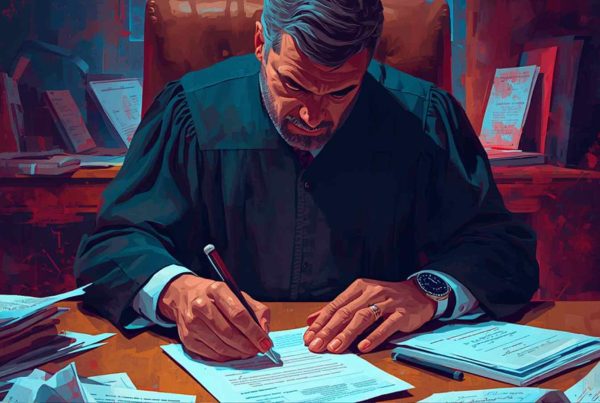
What Is A Winding Up Petition?
How to stop a winding up petition is critical to any business given it represents a most serious threat to the continued existence of a Limited company and its ability to trade. It is important therefore to take advice at the earliest opportunity.
A creditor owed more than £750 can wind up a company by issuing a winding up petition.
The winding up petition is often the second stage in a creditor’s actions to put a company into Compulsory Liquidation if it is insolvent. Typically a company will be on notice of a creditor’s intention to wind it up when a Statutory Demand is served.
If the winding up petition is heard by the Court there is a risk a winding up order is made. If a winding up petition becomes a winding up order then the affairs of the company will be taken over by the Official Receiver (the Liquidator) in the first instance.
What Is A Statutory Demand?
Whilst it is possible to issue a winding up petition without issuing a Statutory Demand, it is commonplace for such a demand to be made first.
Once a Statutory Demand has been issued a winding up petition cannot be served until a Statutory Demand’s deadline has lapsed. A company served with a Statutory Demand has 21 days to pay the debt or reach an agreement to compromise it, failing which the Petition can be issued.
Advertisement Of The Winding Up Petition
If a company receives a winding up petition it must deal with it without delay for two reasons:
- If the winding up petition is advertised in the Gazette then typically the company’s bank account will be frozen which will affect its ability to trade and make payments to critical suppliers.
- Any disposition of company property is void without a validation order from the court in light of Section 127 of the Insolvency Act 1986.
Stopping The Advertisement Of A Winding Up Petition
Stopping advertising a winding up petition is formally known as restraining advertising of a winding up petition. So that a company’s trading activities are not needlessly affected by the advertisement of the winding up petition it is important that the petition is addressed immediately.
The Court will grant an injunction to prevent the presentation of a winding up petition according to the following principles as set out in the case of Coilcolor Ltd v Camtrex Ltd [2015] EWHC 3202 (Ch).
- Abuse of process or the petition is bound to fail.
- There is a substantially disputed debt.
- Genuine and substantial cross-claim that outweighs the value of the petition.
- It is an abuse of process to use a petition to put pressure on a company to pay a debt.
- Mere assertion of disputed debt is often not enough even if made in good faith.
How To Stop A Winding Petition Becoming A Winding Up Order
In order to stop a winding up petition becoming a winding up order there are a number of things a Diirector can do outside of using insolvency procedures:
- Pay the debt.
- Communicate with the creditor about your company cash flow problems so they are not in the dark.
- Negotiate with the creditor revised payment terms of the debt such as entering into a time to pay arrangement if the creditor is HMRC for example.
- Raise new funds to pay the creditor.
- If the debt is disputed instruct a solicitor to contest the petition on the ground the debt is substantially not due or there is a counter claim.
- If the winding up petition has not been validly served then it might be possible to have it set aside.
Other Insolvency Procedures To Avoid A Winding Up Petition Turning Into A Winding Up Order
If however the debt is due and matters have gone too far then you may consider other insolvency procedures
Creditors Voluntary Liquidation
Creditors Voluntary Liquidation is a procedure set out in the Insolvency Act 1986 for a Director to appoint as Liquidator. This will stop the company being forced into Compuslory Liquidation. This is a Voluntary Liquidation procedure and enables the Directors to commence the Liquidation process themselves without delay.
Administration
If a company might be capable of being rescued then there is a process known as Administration which is operated by an Insolvency Practitioner who can manage the affairs of the company. This process has the benefit of the Moratorium in Administration that stops creditors from taking enforcement action to wind up a company.
Company Voluntary Arrangement
Another rescue procedure is a Company Voluntary Arrangement (“CVA”) which is a formal insolvency procedure. It is typically set up to enable a company to make repayment of its debts over a period of time (typically 1 to 5 years). However, it requires more than 75% of creditors voting on the procedure to be in favour for it to be approved.
Options After The Winding Up Order Is Made
Although once the winding up order is made a company usually will cease to trade as the effects of Compulsory Liquidation kick into effect there are still some options available to address matters but it is best not to leave matters so late.
The following options are possible depending on the facts of the case:
- Rescission of the winding up order – this has to be done quickly or else it is unlikely to be approved.
- Administration Order – it is possible perhaps to appoint an Insolvency Practitioner to be the Administrator and move the company into Administration.
- Stay the winding up proceedings – this perhaps might be achievable as a route to getting a company into a CVA through negotiating with creditors. The Court has discretion to permanently stay the winding up proceedings.