What Is A Stale HMRC Discovery Assessment?
The answer to the question what is a stale HMRC Discovery Assessment is that there is no such thing. The Upper Tribunal in Paul Harrison v HMRC [2023] UKUT 38 (TCC) (“Harrison”) said:
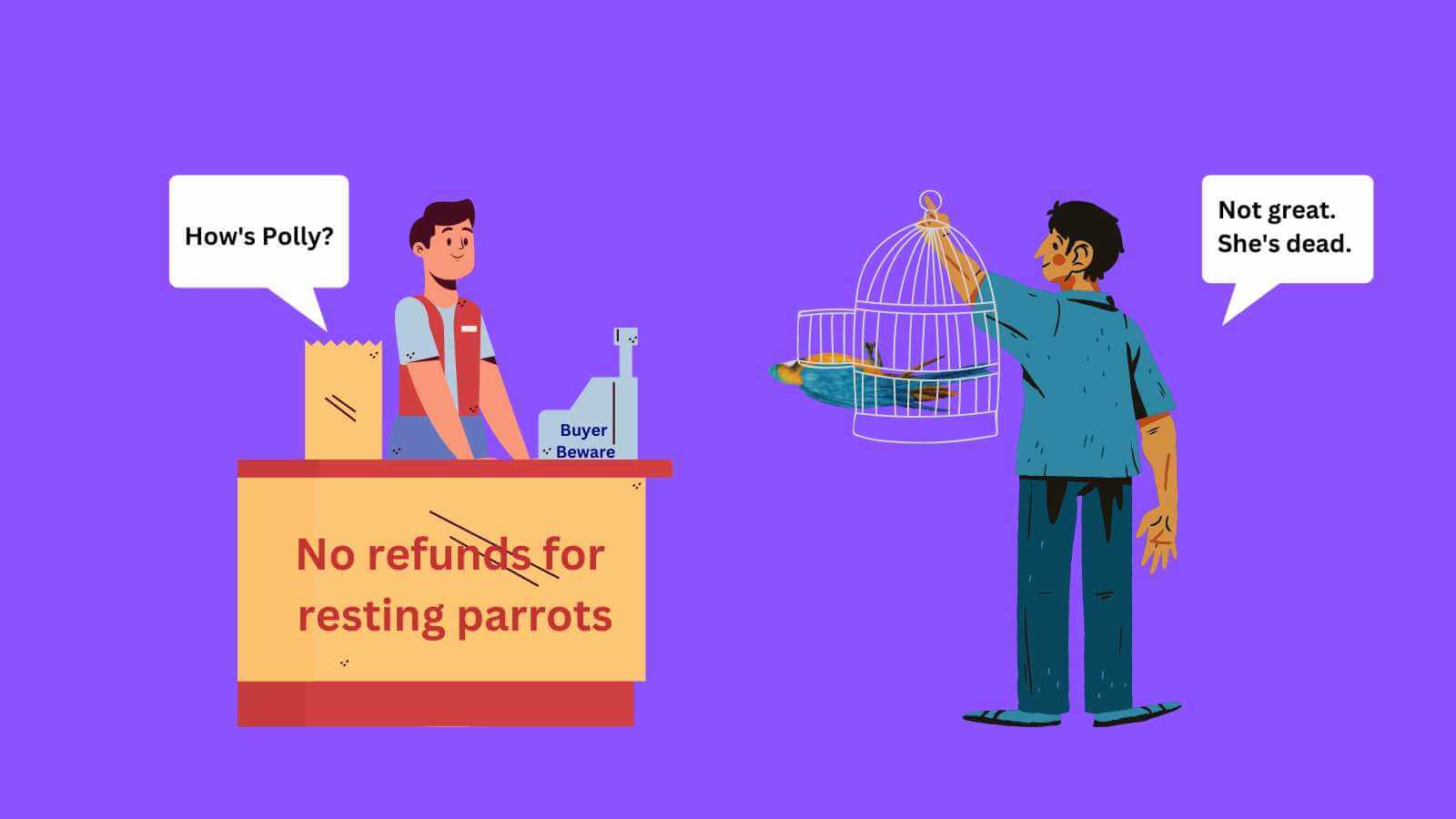
We do not accept that, notwithstanding Tooth SC, the doctrine of staleness is, like Monty Python’s parrot, “not dead, only sleeping”. It is deceased. Given our decision, we do not need to, and do not, decide whether on the facts the discovery in this case would have been stale.
So why can’t a discovery assessment go stale?
What Is A Discovery Assessment?
Under Section 29(1) of the Taxes Management Act 1970 an HMRC Tax Discovery Assessment can be raised subject to certain conditions. Generally the taxpayer has to have been careless or deliberate on their tax return for a discovery assessment to arise and HMRC would not have been aware of this position based on the information it has.
In Harrison the situation was a little different because the taxpayer had not submitted a tax return for the year 07/08. To cut a long story shorter, in Harrison the taxpayer’s partnership received the proceeds of a property and considered no tax was due because of expenses to offset against the same.
The timing of a discovery assessment can be fertile ground for debate when HMRC raises discovery assessments. There is a statutory scheme for the time for raising discovery assessments.
The First Tier Tax Tribunal rejected the taxpayer, Mr Harrison’s appeal against a HMRC Tax Discovery Assessment in respect of income tax for the tax year 2007/08 relating to the sale of a property.
The taxpayer considered HMRC were out of time to issue the discovery assessment having information as long ago as 2012 to assess him. He said also that the discovery had become stale.
The ‘Discovery’ Aspect Of A Discovery Assessment
The discovery aspect of an HMRC discovery assessment requires a discovery. This is to avoid situations where a taxpayer could be subjected to an endless stream of HMRC investigations which might be considered unfair and oppressive.
HMRC has the burden to evidence the ‘discovery’.
HMRC also has the burden to show the taxpayer was careless or deliberate if those provisions are applicable.
The Upper Tribunal looked at the matter of staleness.
Why A Discovery Assessment Can’t Go Stale
When the Supreme Court considered the case of Revenue and Customs v Tooth [2021] UKSC 17 it said there was no staleness concept:
In our judgment, contrary to the latter part of para 37 in the decision in Charlton, there is no place for the idea that a discovery which qualifies as such should cease to do so by the passage of time. That is unsustainable as a matter of ordinary language and, further, to import such a notion of staleness would conflict with the statutory scheme. That sets out a series of limitation periods for the making of assessments to tax, each of them expressed in positive terms that an assessment “may be made at any time” up to the stated time limit.
The Upper Tribunal took this on board and said:
We consider that in Tooth SC, for the reasons summarised above, the Supreme Court clearly set out definitive general guidance which it intended should be followed, by all courts and tribunals. The basis of the decision in Tooth CA was Charlton, which the Supreme Court had now said was wrongly decided on this issue, and the Court of Appeal did not discuss in reaching its conclusion the decisions in Cenlon Finance and Mackinlay’s Trustees which the Supreme Court held were the leading authorities on the meaning of “discover”. The Supreme Court described the argument that a discovery can become stale as “unsustainable”. We consider that in these circumstances it would be quite wrong to ignore the statements of the Supreme Court, with which we respectfully agree, for the reasons given by Ms Brown.
Are you a UK company Director?
If you are a Director of an insolvent company or a bankruptcy, Oliver Elliot can help you. We Know Insolvency Inside Out.

Share This Page!
What Next?
Expert Advice Is Just A Click Away
If you have any questions in relation to A Stale HMRC Discovery Assessment? then contact us as soon as possible for advice. Oliver Elliot offers a fresh approach to insolvency and the liquidation of a company by offering specialist advice and services across a wide range of insolvency procedures.
Our expertise is at your fingertips.
Disclaimer: A Stale HMRC Discovery Assessment?
This page is not legal advice and should not be relied upon as such. This article A Stale HMRC Discovery Assessment? is provided for information purposes only. You can contact us on the specific facts of your case to obtain relevant advice via a Free Initial Consultation.
Recent Posts / View All Posts