Overview Of A Just And Equitable Winding-Up Petition
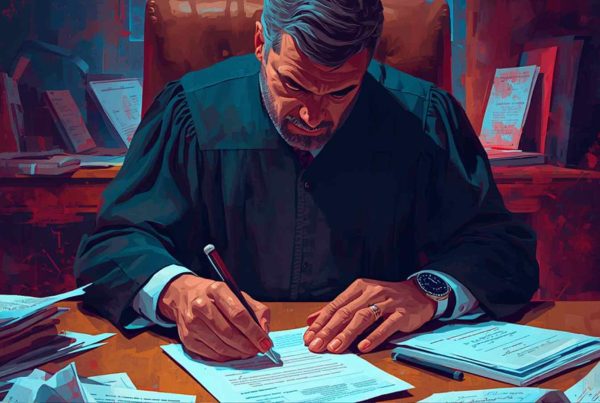
A just and equitable Winding Up Petition is one that enables shareholders to petition the Court for assistance to resolve various shareholder disputes.
In most cases, a Winding Up Petition will arise from unpaid debts. Just and equitable petitions are rare in comparison.
Shareholder disputes arise for various reasons such as allegations of breach of duty for example only. There has to be a mechanism in place that enables some form of resolution and finality. This is where just and equitable Winding Up Petitions can be deployed.
The Law For Just And Equitable Winding Up Petitions
The applicable law can be found in Section 122(1)(g) of the Insolvency Act 1986 and Section 994 of the Companies Act 2006.
A disintegration of relations among shareholders in owner-managed businesses can be resolved by winding up the company on the just and equitable grounds. The Court petitioned will have to be satisfied that it is both just and equitable for this to happen. For example only, if there is a trading business that is profitable and not insolvent the Court might be reluctant to wind up the company when other options might be available such as ordering the party seeking to wind up the company to sell its shares to another shareholder that wishes to continue trading.
Grounds For A Just And Equitable Winding Up Petition
The grounds for a just and equitable Winding Up Petition are very varied but it most commonly will arise when there is a shareholder dispute that stops the company from operating normally. Shareholder disputes can be hugely disruptive and detrimental to company governance.
A dispute does not have to arise due to allegations or concerns over financial wrongdoing but it can be as simple as disagreements over the company’s future path and policies.
There will therefore need to be a mechanism to enable the company deadlock to be resolved so the shareholders can move forward.
The Court however retains a discretion however and it will look at all the facts before rushing to judgment. If there is another route to resolving the shareholder dispute it is likely absent serious allegations of misconduct and mismanagement to exercise restraint before rushing to grant a just and equitable Winding Up Petition.
Who Can Present A Just And Equitable Winding Up Petition?
Directors, Shareholders or a person who is liable to contribute to a company’s assets in the event of its being wound up can petition to wind up a company on just and equitable grounds.
In the case of shareholders, they must have been registered for at least 6 months during the 18 months before the commencement of the winding up.
Could A Minority Shareholder Wind Up a Company?
If a minority shareholder has had their interests prejudiced for example by being disenfranchised from the company with their rights disregarded then they could look to issue a just and equitable Winding Up Petition to address such an issue.