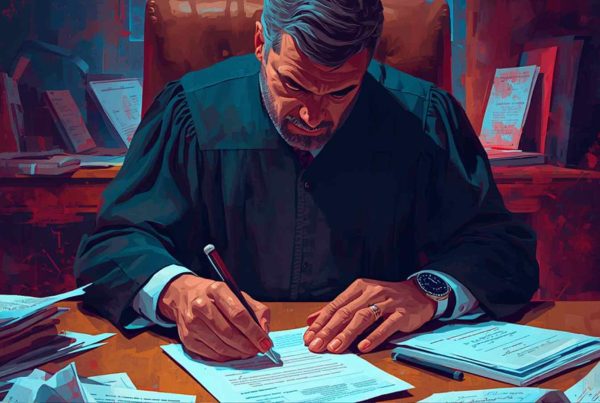
How can you wind up a company that owes you money? You can issue a winding up petition to put the company into compulsory liquidation.
If a company does not pay you and is insolvent, legal action may be required. A creditor can petition the court to wind up (or liquidate) the company and its assets are used to pay creditors.
What Is A Winding-Up Petition?
A winding-up petition is a legal action that asks the court to make a winding up order because it cannot pay its debts. It’s typically the last resort for creditors.
If successful, the petition leads to a winding-up order, and the company is placed into compulsory liquidation. A liquidator is appointed to sell the assets and distribute proceeds to creditors.
When Can You Petition For Winding Up Of A Company?
To present a winding-up petition, the company must owe you at least £750, and the debt must be undisputed and due for payment. A winding up petition will typically first involve either but it is possible to petition without either:
- Statutory demand, which is a request for payment, giving the company 21 days to pay.
- Unpaid court judgment: If you’ve won a claim and they still haven’t paid.
If the company ignores the demand or cannot pay the judgment, then you may have grounds to petition.
Process Of Issuing A Winding Up Petition
The process of issuing a winding up petition is:
- Prepare the petition and file it at court.
- Serve the petition on the company at its registered office..
- Advertise it in the Gazette: At least 7 days before the hearing.
- Attend the court hearing: If unopposed, the judge may grant a winding-up order.
If granted, the Official Receiver, who is a government civil servant employed by the Insolvency Service, is the liquidator in the first instance and takes over from the directors.
Risks and Considerations
- Costs: Filing fees, legal fees, and deposits to the court can be over £1,500.
- Non-payment: If the company has no assets, you might recover nothing.
- Abuse of process: Using the petition to pressure payment for a disputed debt could backfire and lead to cost orders against you, along with an injunction against advertising of the petition.
Always seek advice before starting the process, especially if there’s any risk the debt might be disputed.
What Happens After The Company Is Wound Up?
Once liquidated:
- A liquidator investigates the company’s affairs.
- Assets are sold, and creditors are repaid in order of priority.
- Directors may be investigated for misconduct.
You’ll be asked to submit a proof of debt form to share in any distribution. Secured creditors typically get paid first but subject to the statutory order of payment in insolvency proceedings, followed by preferential and unsecured creditors.