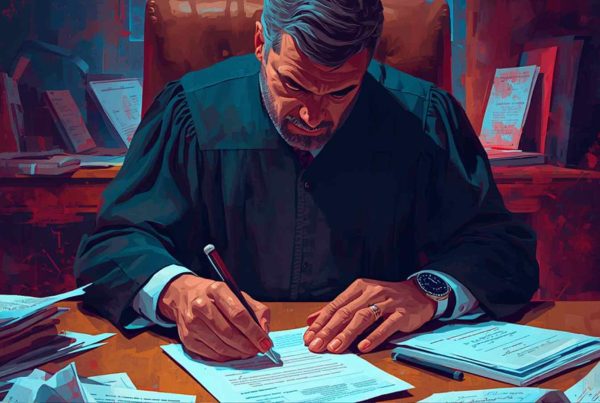
I’ve Been Offered To Sell My Company (And Its Debts) For £1. This was a point raised by a UK Business Forums post called “£1 sale or IP”.
The poster asked, “What are the reasons to not take this option”. This appears linked to an approach known as an Insolvency Avoidance Scheme. Such schemes have often been discredited because they seek to avoid insolvent liquidation when it appears the appropriate way forward for a company, and may endanger the assets being lost by creditors.
The company of the post was able to avoid insolvency, it seems due to a loan covering payments to an HMRC Time To Pay Arrangement and the Bounce Back Loan. It seems, nevertheless, that the company on its own account was insolvent because of a customer who had not paid.
Why Would Someone Sell A Company For £1?
This is the million dollar question. Why would someone purchase an insolvent company with no realisable assets for any sum of money and take over the burden of operating it?
Plainly absent a profitable core business or one with assets or some trading potential capable of being turned around, it wouldn’t make a lot of sense.
The post seemed to resemble the classic set of circumstances in which a director would offload a company onto a third party in the hope that the matter would be resolved. Such approaches generally do not work.
You can sell your interest in an insolvent company but not your misconduct (if any) that has arisen.
Selling The Debts
It is a common misconception that the sale of an insolvent company means that debts are sold on. They are not. The debts remain with the company.
A company’s debts cannot be sold without the consent of the party who is owed the relevant money. Absent their agreement, legal liability for the debt does not change hands and the debt is not moved on.
The purchaser, therefore, in a typical insolvency avoidance scheme, is simply doing little more than seeking to sell a service that doesn’t appear to do much other than arrange a sale of the shares and change of directors, leading to an eventual dissolution of the company.
The problem is that such schemes have been so discredited that a director making use of one of them is likely to conceivably highlight themselves for perhaps even greater investigation than they otherwise might face from a liquidation.

For a free no obligation chat about any of the matters detailed above, please do get in touch for help. An expert will call you back or if you prefer exchange emails.
We can explore your situation and consider the best way to help you and your business needs. You can call us 020 3925 3613 or fill in the form below and will get back to you quickly. We Know Insolvency Inside Out.


What Next?
Expert Advice Is Just A Click Away
If you have any questions in relation to [ ] then contact us as soon as possible for advice. Oliver Elliot offers a fresh approach to insolvency and the liquidation of a company by offering specialist advice and services across a wide range of insolvency procedures.
Our expertise is at your fingertips.
Disclaimer
This page is not legal advice and is not to be relied upon as such. This article is provided for information purposes only. You should take independent advice on the facts of your case. No liability is accepted for reliance upon this post.
Recent Posts / View All Posts