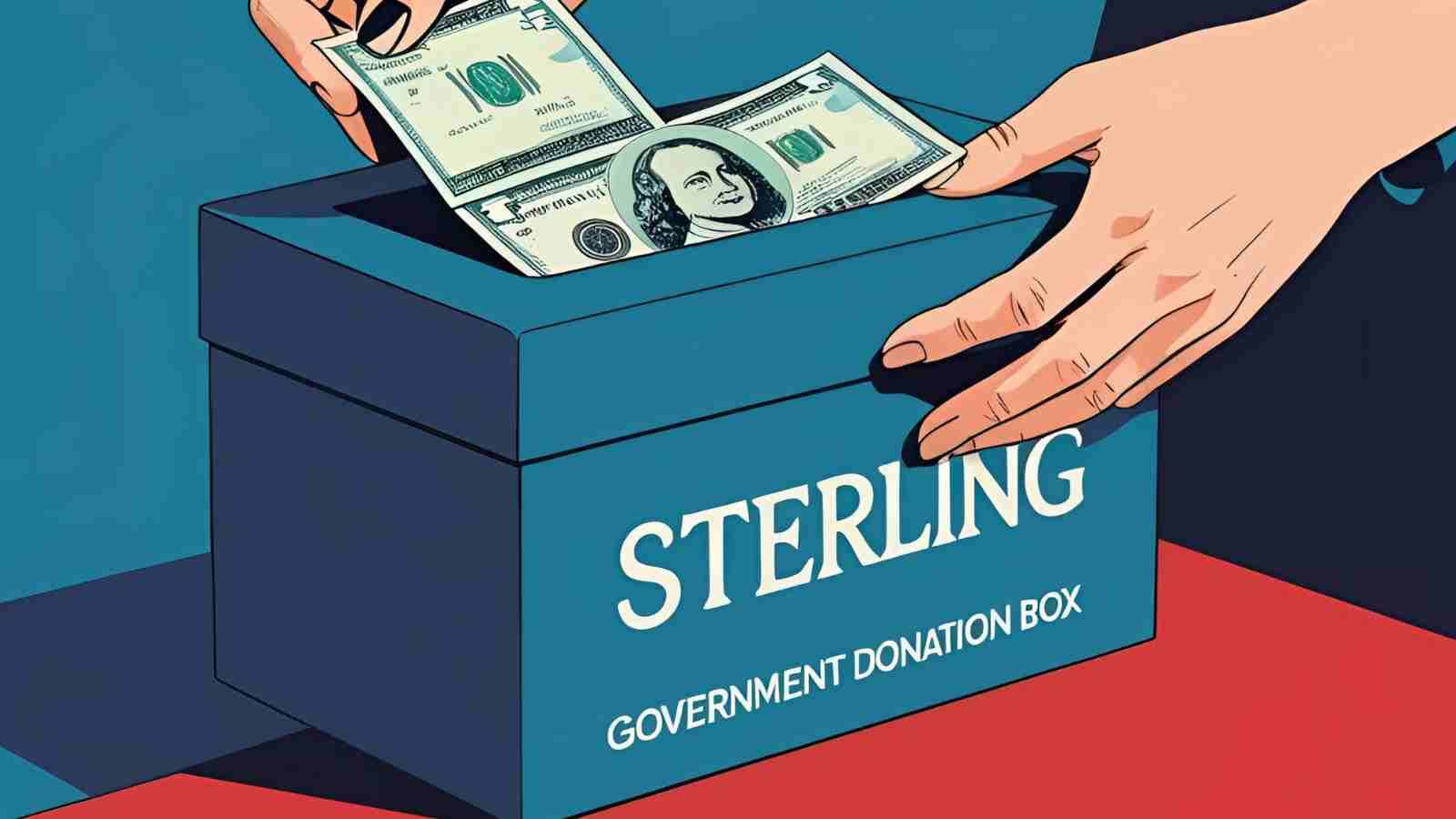
HMRC Voluntary Restitution is when HMRC entreats a taxpayer to pay tax that is no longer legally enforceable. The taxpayer paying tax over is doing so as a volunteer.

When Could HMRC Voluntary Restitution Apply?
- Time-barred liabilities: Tax liabilities usually have time limits within which HMRC can collect, after which HMRC loses its legal power to enforce the arrears of tax.
- Equitable grounds: Despite not being legally enforceable, HMRC may still consider it fair and reasonable for the taxpayer to pay and so HMRC may invite the taxpayer to make a payment on “equitable grounds.”
- No legal obligation: It’s crucial to understand that if HMRC invites voluntary restitution, the taxpayer is not legally obligated to pay. If the offer is not accepted, HMRC cannot press for the payment.
- No penalties or interest on restitution: Generally, if a taxpayer agrees to pay voluntary restitution for time-barred liabilities, HMRC will only seek the principal amount of the tax.
- Examples of situations: This often arises in cases where errors or omissions are discovered during a compliance check, but the periods in question are beyond HMRC’s usual assessment powers. For instance, if an individual genuinely overlooked income for several years, and some of those years are now outside the statutory assessment period, HMRC might suggest voluntary restitution for those older years.
- “Voluntary disclosure” vs. “Voluntary Restitution”: A voluntary disclosure is when a taxpayer tells HMRC about an error before HMRC discovers it.
In essence, HMRC Voluntary Restitution is a way for HMRC to recover tax that is morally owed but not legally collectable, relying on the taxpayer’s willingness to rectify their tax affairs even when there’s no legal compulsion to do so.
Freedom Of Information Act Request: Voluntary Restitution
In order to obtain some information about HMRC Voluntary Restitution, we issued a Freedom of Information Act request as follows:
This is an FOI request for the government financial years 2021/2022, 2022/2023 and 2023/2024 for the amount of money HMRC received through Voluntary Restitution from taxpayers.
HMRC’s response on 4 July 2025 said it would be too expensive to provide the information:
Voluntary Restitution payments are not held centrally as they are subsumed within separate recording systems in place for different types of tax which may involve the type of payment within this request.
It would seem probable that HMRC voluntary restitution is a small element of HMRC tax collections, given it does not appear to collate the data in a way that can be provided by year. Perhaps unsurprisingly, it may well be a very minor element of HMRC tax collections. If indeed that is correct, one might reasonably conclude that taxpayers reluctantly donate to HMRC.
Nevertheless, voluntary restitution is a feature of the HRMC tax manual.

For a free no obligation chat about any of the matters detailed above, please do get in touch for help. An expert will call you back or if you prefer exchange emails.
We can explore your situation and consider the best way to help you and your business needs. You can call us 020 3925 3613 or fill in the form below and will get back to you quickly. We Know Insolvency Inside Out.


What Next?
Expert Advice Is Just A Click Away
If you have any questions, then contact us as soon as possible for advice. Oliver Elliot knows insolvency inside out.
Our expertise is at your fingertips.
Disclaimer
This page is not legal advice and is not to be relied upon as such. This article is provided for information purposes only. You should take independent advice on the facts of your case. No liability is accepted for reliance upon this post.
Recent Posts / View All Posts