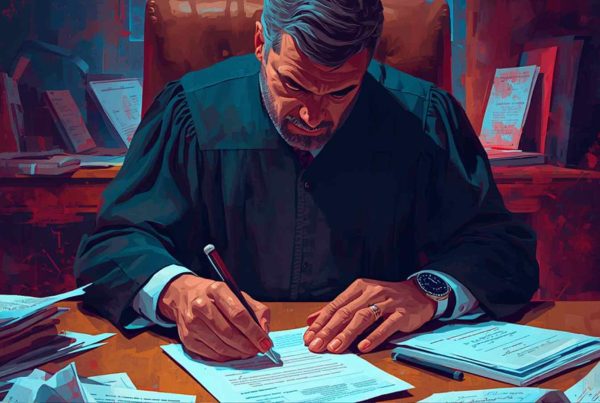
A director with a criminal record may be a problem in certain industries and professions. If the nature of a criminal conviction involves dishonesty, then an individual may be excluded from certain professions for periods of time.
So, can a director have a criminal record – yes but even though the law does not outright prevent individuals with criminal convictions from becoming directors in all cases, there can be restrictions
Regulatory Restrictions
Some industries are heavily regulated, and a director’s criminal record may breach its requirements::
- Financial services (FCA regulated firms): The Financial Conduct Authority (FCA) expects individuals in senior roles to meet the “fit and proper” test. A criminal conviction, especially for dishonesty or fraud, may disqualify someone from holding a directorship.
- Legal and accountancy professions: Professional conduct bodies often impose rules on meeting “fit and proper” tests as well. A solicitor with a criminal record may be barred from management roles in legal practices.
- Healthcare and education: The Care Quality Commission (CQC) and Ofsted carry out background checks, and criminal records, particularly relating to safeguarding, can lead to automatic disqualification from senior roles.
Reputation Can Be Affected
Even if a director is legally allowed to serve, appointing someone with a criminal history can raise real concerns, particularly if they have been involved in financial misdemeanours. This is especially true for certain types of industries and professions:
- Charities and non-profits, where trust and transparency are essential.
- Public-facing businesses, such as retail or hospitality, where customers may lose confidence.
- Startups seeking funding from investors may see a criminal record as a red flag.
Insurance and Compliance Implications
Many companies rely on Directors and Officers (“D&O”) insurance to protect leadership against claims of misconduct. A criminal record may invalidate such coverage or significantly increase premiums. It is a common question when applying for such insurance and as a result, disclosure of any director with a criminal record is essential to avoid invalidating the policy.
Investors may attach compliance conditions to financing conditions that might be capable of being breached if a director with a criminal record.
Director Disqualification Orders
Under the Company Directors Disqualification Act 1986, individuals can be disqualified from acting as a director for a range of offences, including fraudulent trading, failure to comply with filing duties, or unfit conduct in insolvency cases. A director who acts in that capacity whilst under a disqualification order is committing a criminal offence in itself.
Due Diligence and Transparency Obligations
Appointing a director with a criminal record without fully disclosing this to stakeholders, regulatory bodies, or investors could lead to accusations of concealment or breach of fiduciary duty. Transparency is critical, and failure to conduct proper background checks can result in both legal consequences and strategic setbacks.